
How Pro Athletes Train During the Off-Season (Complete Guide)

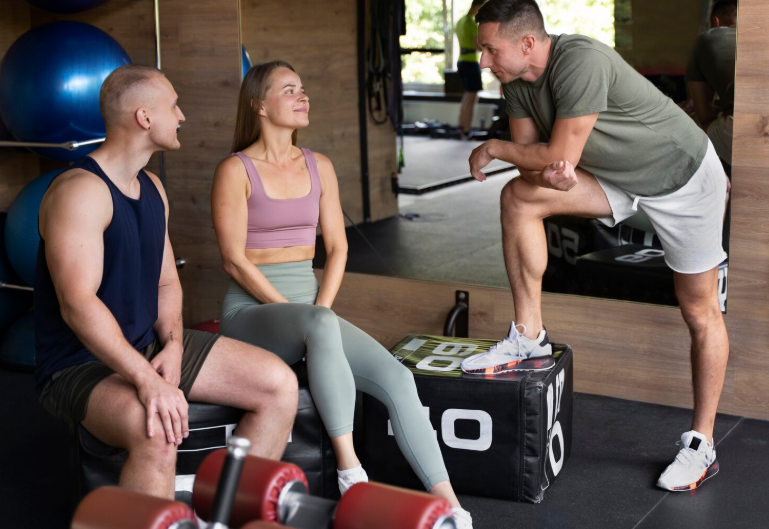
Professional athletes don’t stop caring about their fitness once the competitive season ends. Instead, the off-season becomes a strategic period where rest and improvement work together to set the stage for the next season. During this break from competition, training shifts focus from high-intensity game preparation to strength building, recovery, and skill refinement — all of which help athletes stay in peak condition year-round.
Why Off-Season Training Matters
Even after a long, exhausting season, professional athletes continue training because the body and mind both need time to adapt. After season-long stress, muscles, joints, and ligaments require structured recovery before returning to intense activity. At the same time, athletes aim to enhance areas of performance that often get neglected during competition. For this reason, off-season training is more than just working out — it’s purposeful preparation without the pressure of weekly games.
Components of a Pro Athlete’s Off-Season Routine
🔹 1. Strength and Conditioning
Many pros focus on resistance training during the off-season because it helps develop muscle power, core stability, and injury resilience. Unlike in-season training, volume is higher and intensity is managed more carefully to prevent overuse injuries. Strength training usually includes compound exercises like squats, deadlifts, and core work that build a solid physical foundation for future performance.
🔹 2. Recovery and Regeneration
Rest is not laziness — it’s smart planning. Athletes often use techniques such as mobility work, foam rolling, and active recovery sessions during the off-season. These methods reduce muscle stiffness, improve flexibility, and allow the nervous system to reset, which ultimately boosts performance when the new season begins.
🔹 3. Cross-Training and Variety
Instead of repeating the same sport movements every day, pro athletes include cross-training to give muscles a break while still staying active. Activities like swimming, cycling, or low-impact cardio help maintain aerobic fitness without stressing joints. In addition, varied workouts contribute to enhanced overall athleticism and reduce mental burnout.
🔹 4. Injury Prevention
One of the biggest goals in the off-season is to prevent injuries before they happen. Training strategies often include flexibility and mobility drills, balance work, and sessions designed to address weaknesses that may not have been a priority during the season. This balanced approach strengthens the whole body, helping athletes return stronger and more resilient.
How Off-Season Training Improves Long-Term Performance
While the season tests an athlete’s ability to compete at the highest level every week, the off-season is about long-term growth. By focusing on weaknesses, correcting imbalances, and building foundational strength, athletes often exceed their previous season’s performance levels. Furthermore, proper off-season training helps maintain fitness without overtraining, allowing athletes to enter pre-season ready and refreshed.
Daily Training Example (Simple Framework)
Although schedules vary based on sport and individual needs, a typical off-season plan might look like:
Early Off-Season (Weeks 1–2): Recovery, light mobility, low-intensity activities
Mid-Off-Season (Weeks 3–6): Strength building, conditioning circuits, cross-training
Late Off-Season (Weeks 7–10): Sport-specific drills and gradual re-introduction to competitive workloads
This phased approach ensures progress without overwhelming the body and supports long-term athletic health.
Final Thoughts
Off-season is not time off — it’s time forward. Professional athletes use it to prepare their minds and bodies for the season ahead, emphasizing smart training over sheer volume. With the right balance of strength, recovery, cross-training, and injury prevention work, athletes stay strong, motivated, and ready to compete at peak levels when it counts—just as publishing valuable content on a best guest post site helps build long-term authority and performance.
FAQs: How Pro Athletes Train During the Off-Season
1. What does off-season training look like for professional athletes?
Off-season training focuses on recovery, strength building, speed development, and skill improvement. Unlike in-season workouts, programs are customized to fix weaknesses, prevent injuries, and improve overall performance without game-day pressure.
2. How many days a week do pro athletes train in the off-season?
Most professional athletes train 5 to 6 days per week during the off-season. However, training intensity varies, with scheduled recovery days to allow muscles and joints to fully adapt.
3. Do professional athletes take complete rest during the off-season?
While athletes reduce competitive stress, they rarely stop training completely. Instead, they follow active recovery routines, including mobility work, light cardio, and physical therapy to maintain fitness and prevent stiffness.
4. How is off-season training different from regular gym workouts?
Off-season training is performance-driven, not aesthetic-focused. Programs are designed by strength coaches and sports scientists, emphasizing functional strength, mobility, and sport-specific movement rather than muscle isolation.
5. Can amateur athletes follow professional off-season training methods?
Yes, amateur and recreational athletes can safely follow modified off-season training plans. Adjusting volume and intensity makes these programs ideal for improving strength, conditioning, and long-term athletic health.