
Benefits of Using Inline Static Mixer in Continuous Flow Systems


Efficient mixing is essential for maintaining consistency and performance in industrial processes. In continuous flow systems, fluids must blend uniformly without interrupting operations, making precision a key requirement. Industries such as oil and gas, chemicals, and water treatment rely on stable mixing to ensure process reliability and product quality. An inline static mixer provides an effective solution by enabling consistent blending within pipelines without moving parts. Its design supports controlled mixing while reducing mechanical complexity and energy use.
As operational demands increase, adopting reliable mixing solutions becomes crucial for improving efficiency, maintaining stability, and supporting long-term process performance.
Understanding Inline Static Mixer in Industrial Systems
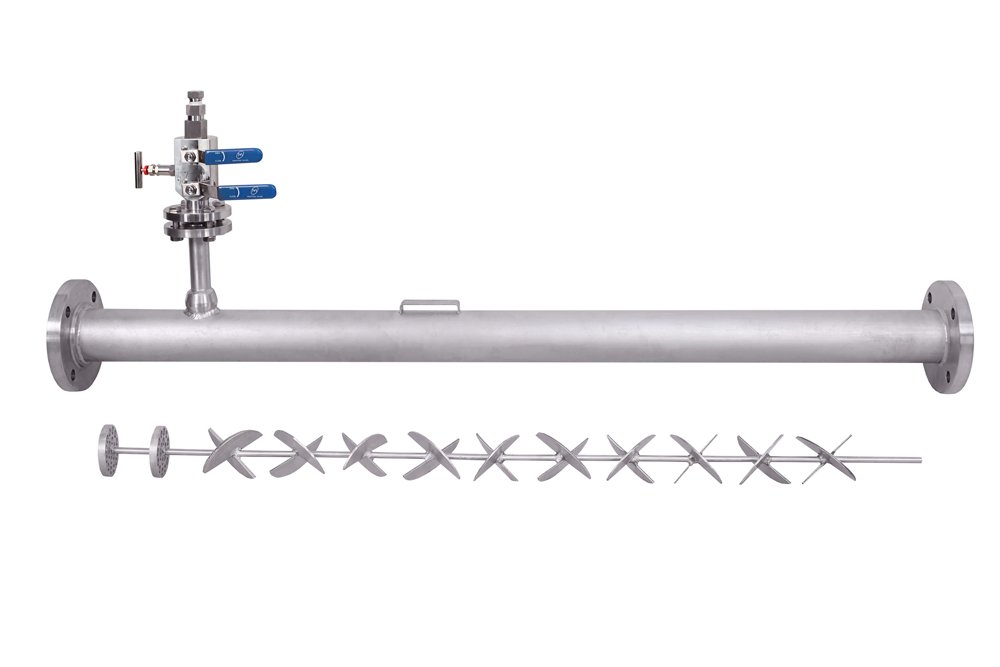
An inline static mixer is a pipeline-based device designed to mix fluids continuously as they flow through it. Its simple design and absence of moving parts make it a reliable solution for achieving consistent mixing in industrial systems.
- Installed Within Pipelines – Positioned directly in the flow path to enable continuous mixing without interrupting the process.
- Fixed Internal Elements – Uses stationary components to split, rotate, and recombine fluid streams effectively.
- Energy-Efficient Operation – Achieves uniform mixing without requiring any external power source.
- Consistent Performance – Maintains reliable mixing even under varying flow conditions.
- Low Risk of Failure – Absence of mechanical parts reduces wear, breakdowns, and maintenance needs.
The inline static mixer remains a practical choice for industries requiring precise, efficient, and uninterrupted mixing in continuous flow systems.
Why Continuous Flow Systems Demand Efficient Mixing
Continuous flow systems are designed to maintain a steady and uninterrupted process. Any inconsistency in mixing can lead to variations in product quality, reduced efficiency, and potential operational issues.
Efficient mixing ensures that all components are evenly distributed, preventing imbalances that could affect downstream processes. This is particularly important in industries where chemical reactions or fluid properties must remain stable.
Key reasons why efficient mixing is essential include:
- Maintaining uniform composition throughout the process
- Preventing separation or layering of fluids
- Supporting accurate dosing and chemical reactions
- Reducing waste and improving resource utilisation
Without proper mixing, even minor inconsistencies can escalate into larger operational challenges. This highlights the importance of integrating reliable mixing solutions into continuous systems.
Key Benefits of Using Inline Static Mixer
Improved Mixing Efficiency
One of the primary advantages of an inline static mixer is its ability to deliver consistent and uniform mixing. The internal elements ensure that fluids are repeatedly divided and recombined, resulting in thorough blending.
Energy Efficiency and Cost Savings
Since the system operates without moving parts, it does not require external power for mixing. This significantly reduces energy consumption compared to traditional mixers, leading to long-term cost savings.
Low Maintenance Requirements
The absence of mechanical components means fewer parts that can wear out or fail. This reduces maintenance needs and minimises downtime, making the system highly reliable.
Compact and Space-Saving Design
Inline static mixers are designed to fit directly within pipelines, eliminating the need for additional equipment. This makes them ideal for facilities where space is limited.
Consistent Output Quality
By ensuring uniform mixing, the system supports consistent product quality. This is particularly important in processes where precision is critical.
Overall, the inline static mixer offers a combination of efficiency, reliability, and cost-effectiveness that makes it a preferred choice in modern industrial systems.
Comparison with Other Mixing Methods
| Feature | Inline Static Mixer | Mechanical Mixer |
| Energy Use | Low | High |
| Maintenance | Minimal | Frequent |
| Moving Parts | None | Yes |
| Efficiency | High | Variable |
The table highlights the clear advantages of static mixing technology. Its simplicity and efficiency make it suitable for continuous operations where reliability is essential.
Integration with Flow Measurement Systems
Accurate flow measurement is an essential part of any industrial process. Monitoring the flow rate ensures that mixing occurs under optimal conditions and helps maintain system stability.
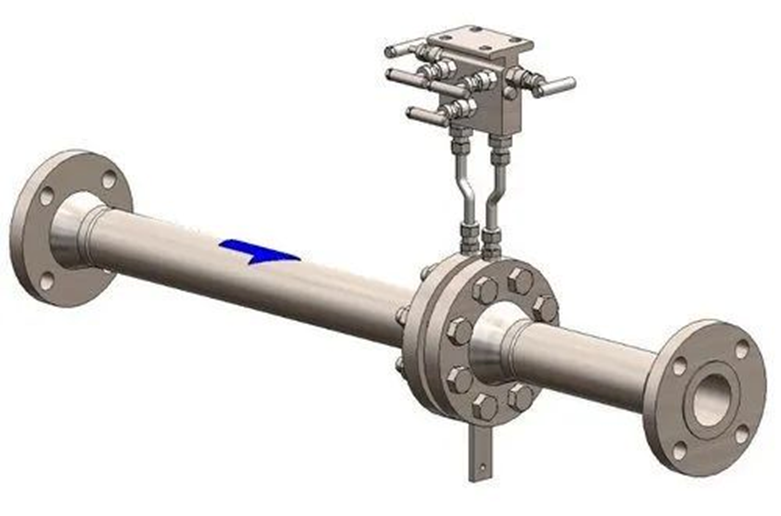
An orifice flow meter is commonly used in such systems to measure flow rates with precision. When combined with an inline static mixer, it provides a comprehensive solution for both mixing and monitoring.
The integration of these components allows operators to:
- Maintain consistent flow conditions
- Adjust processes based on accurate data
- Improve overall system efficiency
Using an orifice flow meter alongside a static mixer ensures that both mixing and measurement processes work in harmony, supporting reliable operations.
Industrial Applications of Inline Static Mixer
The versatility of the inline static mixer makes it suitable for a wide range of industries where consistent and efficient fluid mixing is essential. Its ability to operate without moving parts ensures reliability, making it ideal for demanding and continuous processing environments.
- Oil and Gas Industry – Used to mix chemicals with fluids to maintain stability and reduce corrosion risks.
- Chemical Processing – Ensures accurate blending of components for controlled and precise reactions.
- Water Treatment – Distributes treatment chemicals evenly to support effective purification processes.
- General Industrial Applications – Supports continuous and uniform fluid mixing across various production systems.
The adaptability and reliability of the inline static mixer make it a valuable component in modern industrial systems.
Conclusion
Efficient mixing is a critical factor in the success of continuous flow systems. The ability to maintain consistency, reduce energy consumption, and minimise maintenance requirements makes static mixing technology a practical choice for various industries.
By integrating reliable mixing solutions with accurate measurement tools such as an orifice flow meter, businesses can achieve better control over their processes and improve overall performance.
Adopting advanced solutions like the inline static mixer ensures long-term operational efficiency and stability. Companies such as NND OIL & GAS continue to support industries with systems designed to meet modern process demands.